The Future of AI: Trends and Predictions

February 15, 2024

In this blog post, we explore the emerging trends and predictions for AI that are poised to redefine the landscape in 2024 and beyond.
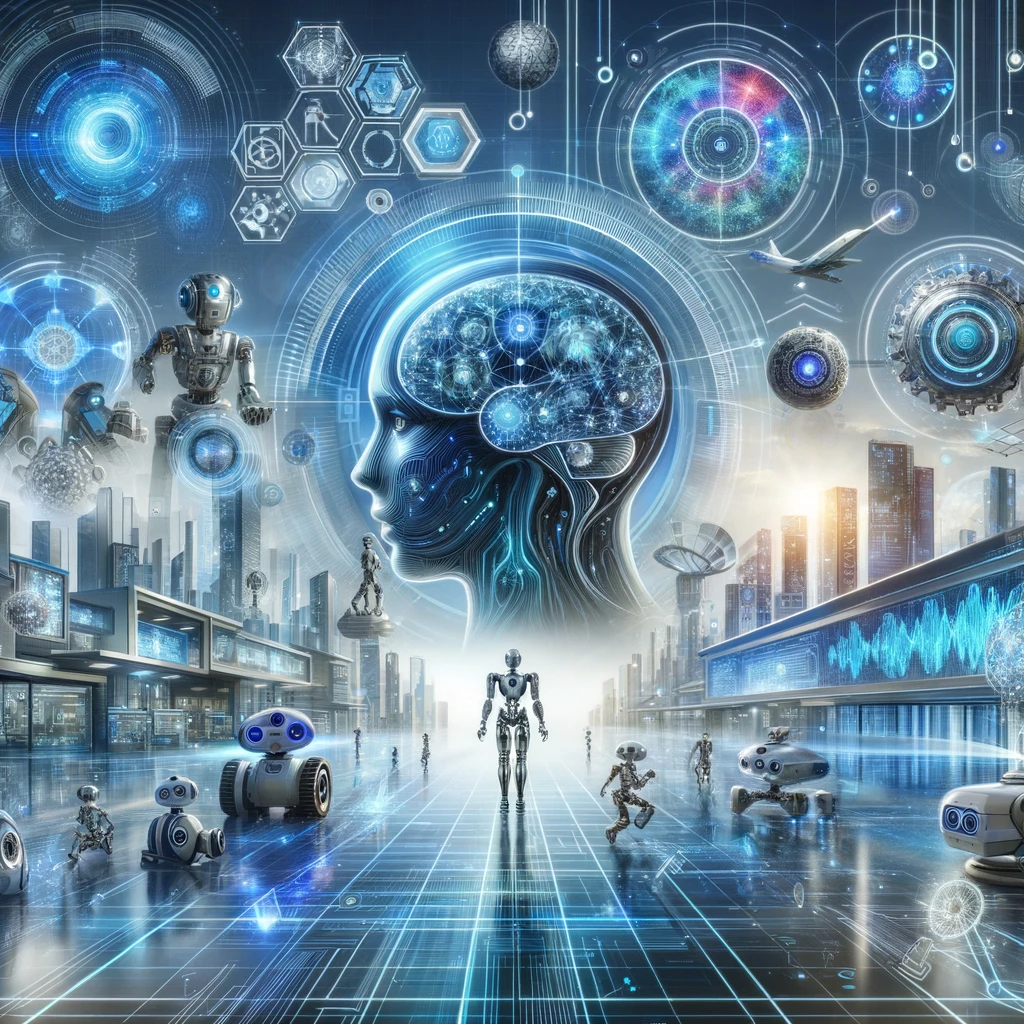

Artificial Intelligence (AI) continues to evolve rapidly, shaping various aspects of our lives and industries. In this blog post, we explore the emerging trends and predictions for AI that are poised to redefine the landscape in 2024 and beyond. 


1. AI-Assisted Development and Productivity 

In 2024, AI tools are expected to become integral in coding and software development, enhancing productivity and efficiency. DevOps teams utilizing AI-assisted tools are likely to see a surge in information sharing and scalability, enabling them to outperform their counterparts who lag in AI adoption. This trend signifies the growing importance of AI in streamlining development processes. 


2. AI and Competitive Business Strategies 

Organizations are turning to AI to gain competitive advantages in unpredictable markets. The focus will be on leveraging AI for contextual understanding, transforming data into actionable insights. This will empower leaders to manage risks, control costs, and optimize operational effectiveness, especially amid supply chain challenges and talent management issues. 


3. Job Opportunities through Generative AI 

Generative AI is anticipated to create new job roles across various sectors. For example, the U.S. retail industry expects to see a rise in technical roles, supported by AI innovations. This trend highlights the transformative impact of AI in the job market, opening avenues for reskilling and upskilling in technical domains. 


4. The Rise of Multitasking Robots 

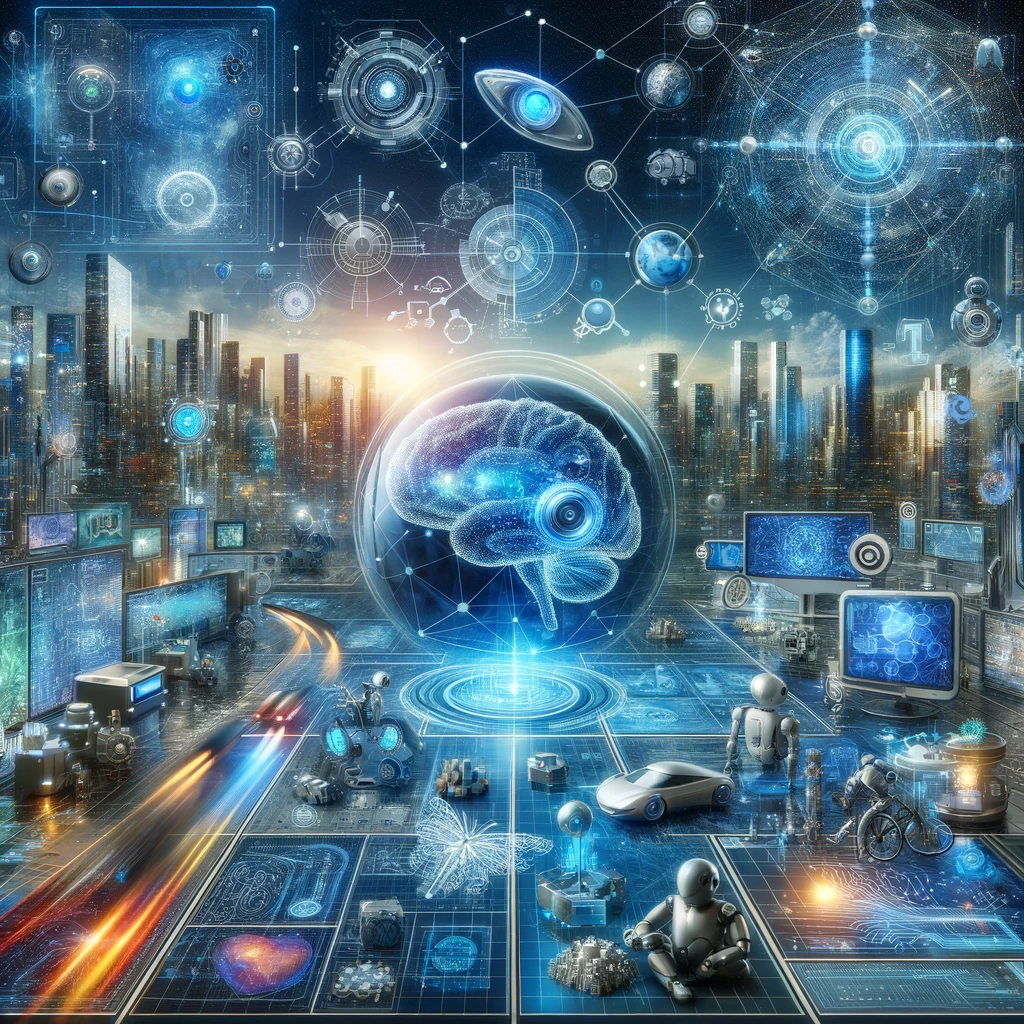
Inspired by generative AI, roboticists are working towards building general-purpose robots capable of multitasking. Unlike previous models trained for specific tasks, these advanced robots can adapt to perform a wide range of activities. This development is a leap forward in robotics, promising more versatile and capable robotic solutions. 

5. Deepfake Proliferation and AI Ethics 
With the advancement of AI models, particularly in video generation, there's an imminent rise in deepfake technology. This raises significant ethical concerns, as deepfakes can be used to spread disinformation and manipulate media. The proliferation of such content demands vigilance and potentially new legislation to address AI misuse. 

6. Challenges in AI Hardware and Innovation 
A global shortage of GPU processors, crucial for AI operations, is a growing concern. This shortage is pushing the boundaries for hardware innovators to develop low-power, cost-effective alternatives. This trend emphasizes the need for advancements in AI hardware to sustain the rapid growth and democratize AI technologies. 

7. Evolving AI Regulations and Policies 
AI policy will be a critical area to watch in 2024. With the EU moving towards enacting widespread AI rules and the U.S. showing increased interest in AI governance, there's an expectation of significant regulatory changes. These developments highlight the need for balanced policies that foster AI innovation while safeguarding ethical standards. 

Conclusion: Navigating the AI Evolution 
The future of AI is marked by groundbreaking developments and challenges. From enhancing productivity in software development to ethical dilemmas posed by deepfakes, AI continues to be a field of immense potential and responsibility. 

Stay Ahead in the AI Revolution 
To keep abreast of these exciting AI trends and navigate the complexities of this evolving field, subscribe to our newsletter. You’ll receive in-depth analyses, the latest updates, and expert insights into the world of AI. 

Subscribe to Our Newsletter and be part of a community at the forefront of the AI revolution, where we explore the future together. 

Subscribe To Our Newsletter

* indicates required
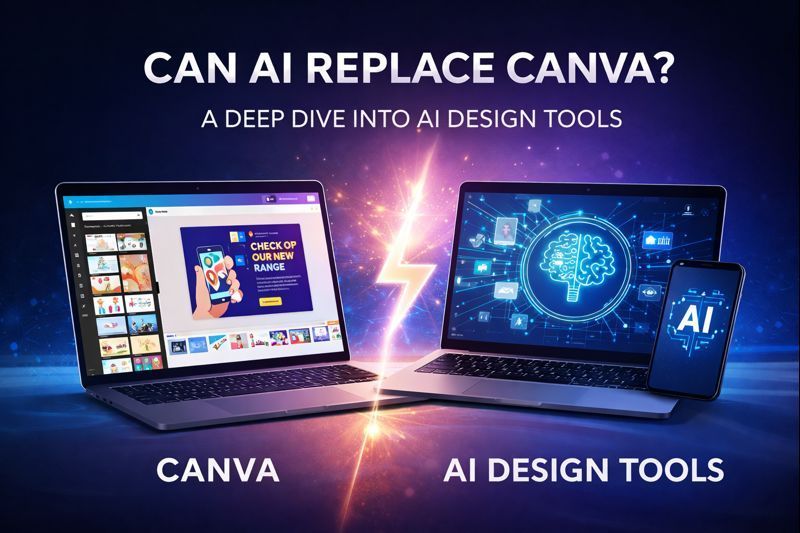
Comparison of AI design tools and Canva showing the future of graphic design with AI
December 16, 2025
Can AI replace Canva? Explore AI design tools like Midjourney, DALL·E, and Leonardo.ai and see how they compare to Canva in 2025.
Person using AI tools on a laptop to automate workflow and improve productivity in a workspace
December 2, 2025
Learn how to automate your workflow with AI — even without tech skills. Discover AI tools, tips, and automations to save time and boost productivity.
AI tools for creative professionals in music, film, design and writing, 2025.
November 25, 2025
Explore the best AI tools for music, film, design, and writing in 2025. A deep guide for creative professionals who want to work smarter with AI.
Comparison of AI image generators: Midjourney, DALL·E, and Leonardo.ai — digital artwork creation
November 19, 2025
Compare Midjourney, DALL·E, and Leonardo.ai for AI image generation. Discover which tool offers the best visuals, control, and creativity in 2025.
Person using AI on a laptop to automate tasks and boost workflow productivity in a modern office.
November 12, 2025
Learn how to automate your workflow with AI — even if you’re not a tech expert. Discover beginner-friendly AI tools to save time and boost productivity.
Freelancer working with AI tools on laptop to improve productivity and workflow efficiency
November 5, 2025
Discover 10 smart ways AI can boost productivity, streamline tasks, and help freelancers work smarter in 2025.
Modern tech banner showing AI icons, data visualization, and digital assistants representing the lat
October 29, 2025
Stay updated with the biggest AI tool news of 2025 — ChatGPT, Claude, Gemini, and more. Read ToolTrendAI’s weekly roundup for creators and pros.
Banner showing Best Free AI Tools for Creators in 2025 with icons for writing, video, and design on
October 21, 2025
Discover the best free AI tools for creators in 2025 — from writing to design and video. Boost your creativity with ChatGPT, Leonardo, and more.
October 15, 2025
Artificial intelligence is evolving faster than ever — and in 2025, three names dominate the AI assistant landscape: ChatGPT, Claude, and Gemini.
July 2, 2025
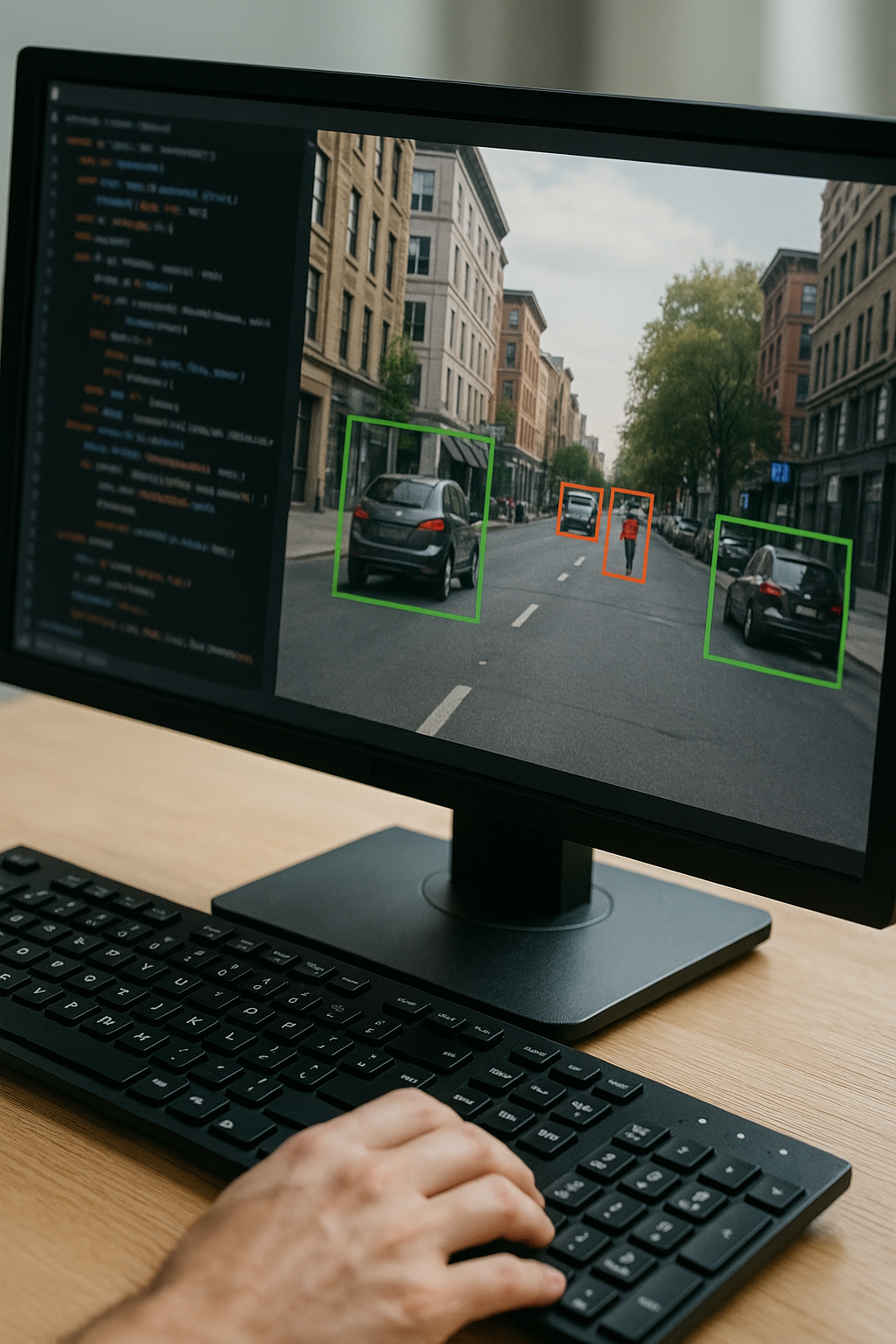
Dive into the fundamentals of computer vision—from image preprocessing and feature extraction to deep learning models—that empower machines to interpret visual data like humans.